Minor Oral Surgical Procedures
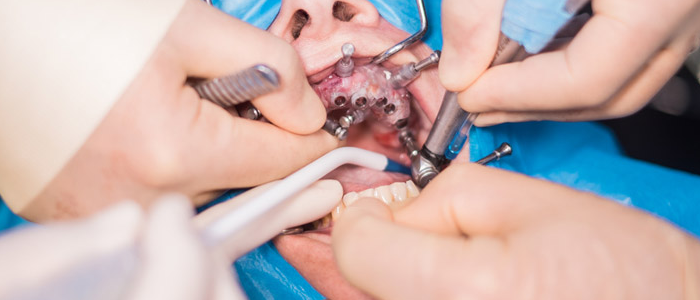
Minor oral surgical procedures are common dental treatments performed to diagnose, treat, or prevent various oral health conditions. These procedures are typically carried out under local anesthesia, ensuring patient comfort while minimizing pain and discomfort. They play an important role in maintaining oral health and preventing the progression of dental problems that may affect the teeth, gums, and surrounding tissues.
Common minor oral surgical procedures include tooth extractions, removal of impacted teeth, treatment of oral infections, biopsies of oral tissues, and minor gum surgeries. These treatments are often recommended when conservative dental methods are not sufficient to resolve the issue. For example, a severely damaged or decayed tooth may require extraction to protect neighboring teeth and prevent infection.
Modern dental techniques and advanced surgical equipment have made minor oral surgeries safer, more efficient, and less invasive. Dentists carefully evaluate each patient's condition and medical history before recommending a procedure, ensuring personalized and effective treatment. Most minor oral surgeries are completed within a short period, allowing patients to return to their daily activities quickly with proper post-operative care.
Regular dental check-ups help identify conditions that may require minor surgical intervention at an early stage. With timely treatment and professional care, minor oral surgical procedures contribute significantly to improving oral function, relieving discomfort, and promoting long-term dental health and overall well-being.